

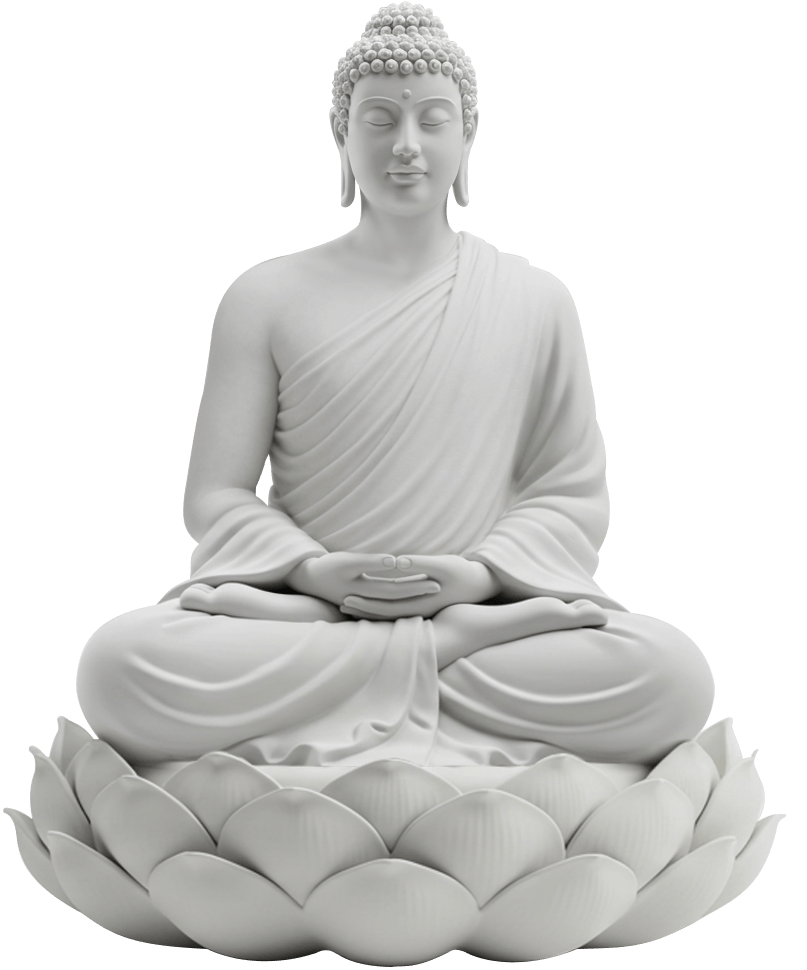


Sabbapāpassa akaranaṁ
Kusalassa upasampadā
Sacitta pariyō dapanaṁ
Etaṁ buddhāna sāsanaṁ.
Preventing from all evil
Cultivating merit
Purifying one’s mind
Are the teaching of the Lord Buddhas.
Simply put, do no harm, do good, and purify the mind.
Buddhism is not a religion to blindly believe in.
It's a path to understand the truth, reality, and your mind.
At its heart, Buddhism is a path of understanding: of the mind, of suffering, and of reality as it truly is. Rather than asking for blind faith, it invites you to observe, reflect, and experience for yourself.
Through ethical living, mindfulness, and insight, the Lord Buddha’s teachings help us see clearly — not just the world around us, but also the thoughts and habits within us that bring peace or suffering.
Ehipassiko — come, see for yourself
Lord Buddha described his Dhamma as ehipassiko which means "come, see for yourself". In other words, explore it with your own senses and mind. If it resonates with you, follow it. If not, you are free to walk away.
Do not believe anything blindly — even from me, just because it is said, written, or passed down. Investigate it for yourself.
~ Lord Buddha
Buddhism always welcomes and encourages questioning.
Attāhi attano nātho — You are your own refuge
Lord Buddha didn’t ask us to pray or depend on him or anyone else for salvation. Instead, Buddhism encourages you to trust in yourself, to believe in inner strength, put personal effort. He showed the way to end suffering. But you are the master of yourself and you have the freedom to walk along it or not.
Ethical living is a vital part of Buddhist teachings. If someone lives an ethical life, spreading kindness not only to human beings but also to all living beings and even nature, and develops empathy toward themselves and others, they will naturally cultivate peace within, whether they follow the Buddhist teachings or not.
Ethical living is the foundation of Buddhism. However, Buddhist teachings go far beyond ethical living. They guide us toward understanding the mind, the nature and reality of the world, and the true causes of suffering. Buddhism offers guidance for deeper understanding of suffering, the roots to that suffering, liberating by ending suffering, and the way to that liberation (Four Noble Truths), leading ultimately to lasting peace — Nirvana.
Suffering (dukkha) in Buddhism is a broad concept. Lord Buddha taught that suffering is a part of life — not just in obvious pain, loss or sadness, but even in change, aging, sickness, and clinging to what can’t last. Even happiness can carry seeds of suffering — like the worry of losing someone you love, or the stress of trying to hold on to moments that are always changing.
And no — this does not mean you can’t be happy. In fact, Lord Buddha said "Santuṭṭhī paramaṁ dhanaṁ — happiness is the greatest wealth". So, Buddhism isn’t about avoiding joy, but about understanding the reality and the nature of life deeply. So that we’re not overwhelmed when change inevitably comes.
So, understanding this is the first step toward inner peace.
The path is the way you train yourself to first understand suffering, then overcome it, find inner peace, and ultimately reach true freedom — Nirvana. This is the Noble Eightfold Path. It is the heart of the Buddha’s Dhamma.
The path begins with Right View — seeing the world as it truly is: ever-changing, imperfect, and woven with both joy and suffering. From this understanding arises Right Intention — the gentle resolve to let go of craving and ill-will, the choice to live with compassion, letting go of harmful desires, and wishing well for all beings. Then comes the way we move through life: Right Speech, Right Action, and Right Livelihood. From this foundation, we turn inward: Right Effort to nurture what is good within us, Right Mindfulness to live with presence and clarity, and Right Concentration to steady the mind in deep stillness. This is not a path of dogma, but a way of practice — walked step by step, toward wisdom, toward freedom, and toward lasting peace.
These eight parts are not separate steps, but threads woven together. It is a path not of blind belief, but of practice. A path not of worship, but of realization.
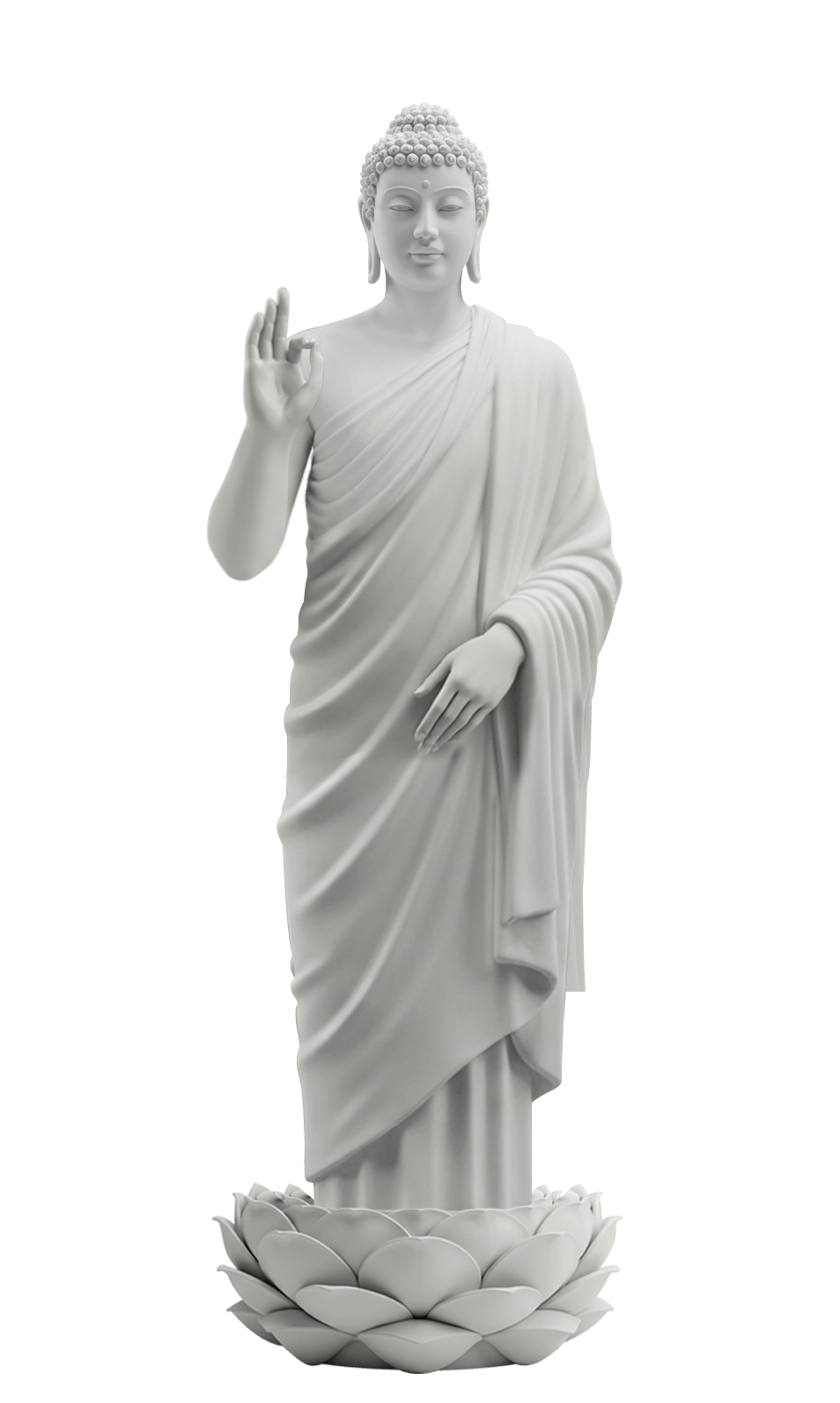
In the Four Noble Truths, the Fourth Truth points to the path — the Noble Eightfold Path — as the way to end suffering. This path is woven from three strands: wisdom (paññā), ethical conduct (sīla), and mental discipline (samādhi).
The ethical conduct strand (sīla) is made of Right Speech, Right Action, and Right Livelihood. And at the very foundation of this ethical discipline are the Five Precepts — simple, practical commitments anyone can take, Buddhist or not.
Buddhism is a way to live with wisdom and kindness. It teaches us to do no harm, to do good, and to purify the mind.
At its heart are the Four Noble Truths: life includes suffering, suffering has a cause, it can be ended, and the way to end it is the Noble Eightfold Path. Suffering is not only pain and loss, but also the fear of losing happiness and the struggle to hold on to what always changes. By understanding this truth, we find deep peace.
The Eightfold Path is a guide for living wisely, kindly, and mindfully. Its foundation is ethical living — and the Five Precepts are simple first steps anyone can take: not harming life, not stealing, not misusing the senses, not lying, and not clouding the mind.
Buddhism is not about blind belief. It invites you to look, question, and see for yourself. It is a path you walk with your own effort, step by step, toward peace, freedom, and compassion for all beings.
www.BuddhismForLife.org
So, this is a place to learn Buddhism in simple ways, discover the core concepts, read stories that inspire, and find practical steps to bring the teachings into your own life.
Whether you are curious, a beginner, or already walking the path, you will find something here to guide you, comfort you, and encourage you.
Because Buddhism is not just for monks, or temples, or ancient times.
It is for everyday life. It is for you.